


The importance of outdoor play:
8 reasons why playing outside is so important for children’s development and health
Outdoor play is an essential part of childhood. Yet we increasingly see children spending more time indoors, absorbed by screens and digital devices. By highlighting the many benefits of outdoor play, we may be able to help reverse this trend. That’s why, in this blog, we focus on eight aspects of outdoor play that are crucial for children’s development and health:
- Physical health
- Mental health
- Social development
- Social and emotional development
- Physical activity
- Immune system
- Sleep quality
- Vision

Why is outdoor play so important for development?
In the first seven years of life, the foundation is laid for a child’s future development. When we look at different areas of development, several aspects stand out that are particularly well supported through outdoor play.
1. Physical health
The first—and most obvious—benefit of outdoor play is its positive effect on physical health. Playing outside means running, jumping, climbing and being active. This supports the development of motor skills and helps reduce the risk of obesity. Fresh air and vitamin D from sunlight also contribute to a stronger immune system.
2. Mental health
In addition to physical benefits, outdoor play has a positive impact on mental health. Children who play outside experience less stress and anxiety. Natural environments help reduce tension and promote a sense of wellbeing. Outdoor play offers a chance to step away from the busyness of daily life and relax.
3. Social development
Outdoor play gives children the opportunity to develop social skills. They learn to cooperate, negotiate and communicate with other children. Playing outside encourages teamwork and helps build friendships—social skills that are invaluable later in life.
4. Social and emotional development
Outdoor play supports emotional regulation as children experience a wide range of feelings during play and interaction with peers. It encourages conflict-resolution skills, as children learn how to deal with disagreements in a constructive way. In addition, outdoor play strengthens self-confidence and empathy, helping children build stronger relationships and develop their emotional intelligence.
In addition to being vital for a child’s development, outdoor play also makes a clear contribution to children’s health. We distinguish several key health-related benefits:
5. Physical activity
Children who regularly play outside get plenty of physical activity. This helps them stay fit, build muscle strength and improve their cardiovascular health. It is an effective way to prevent overweight and obesity. Moreover, children who become accustomed to being active from a young age are more likely to stay active later in life.
6. Immune system
Exposure to natural elements and sunlight helps strengthen children’s immune systems. Children who spend a lot of time playing outdoors tend to develop better resistance to illness. This is partly because physical movement helps white blood cells—which protect against viruses and bacteria—circulate more effectively throughout the body. Ultimately, this can result in fewer sick days.
7. Sleep quality
Outdoor play contributes to better sleep quality in children. Physical activity and exposure to daylight help regulate their biological clock, making it easier for them to fall asleep in the evening, sleep through the night and wake up more easily in the morning.
8. Vision
Many children spend too much time looking at screens from very close distances. This can reduce the eye’s ability to focus on objects far away. When children play outside frequently, their eyes are trained to look into the distance. In addition, natural daylight has a positive effect on the growth and development of the eyes.
The Dutch Eye Fund therefore recommends following the 20-20-2 rule to help prevent severe myopia (short-sightedness): after 20 minutes of screen time, look into the distance for at least 20 seconds, and spend a minimum of 2 hours playing outside each day.
The biggest misconceptions about outdoor play
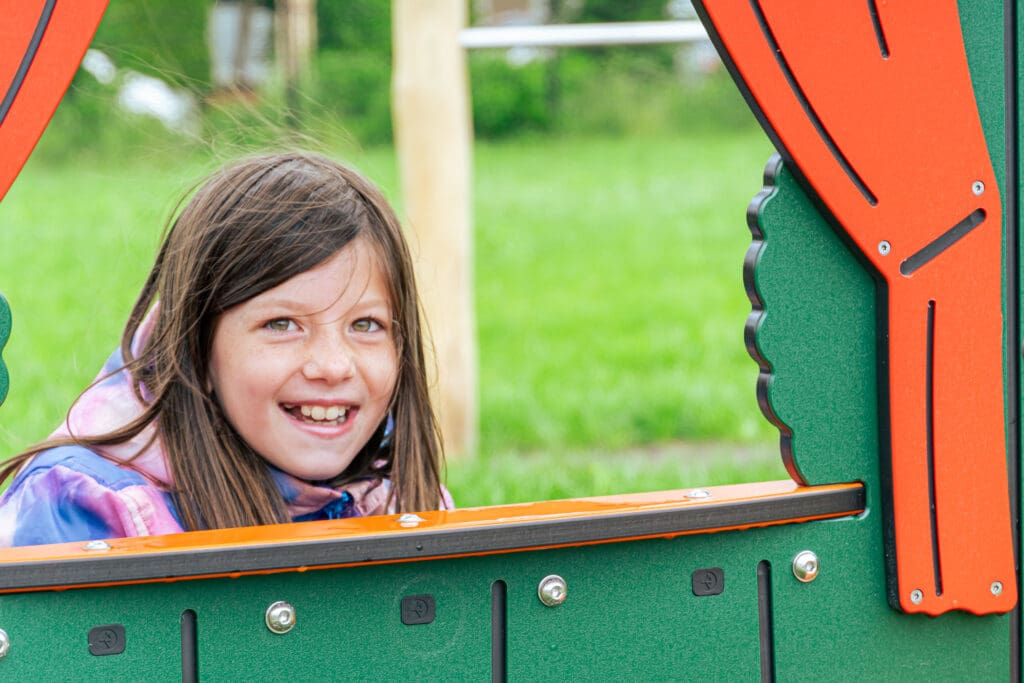
Although almost everyone recognises the importance of outdoor play, some persistent misconceptions remain. Some parents see outdoor play mainly as “free time” with little educational value, when in fact it is crucial for developing skills that are rarely addressed in the classroom. The skills children unconsciously develop while playing outside contribute to improved learning performance at school. There is also the misconception that outdoor play is only important for young children, whereas it continues to support social interaction, stress reduction and physical fitness at older ages as well.
The three most important effects of outdoor play: motor, social and cognitive
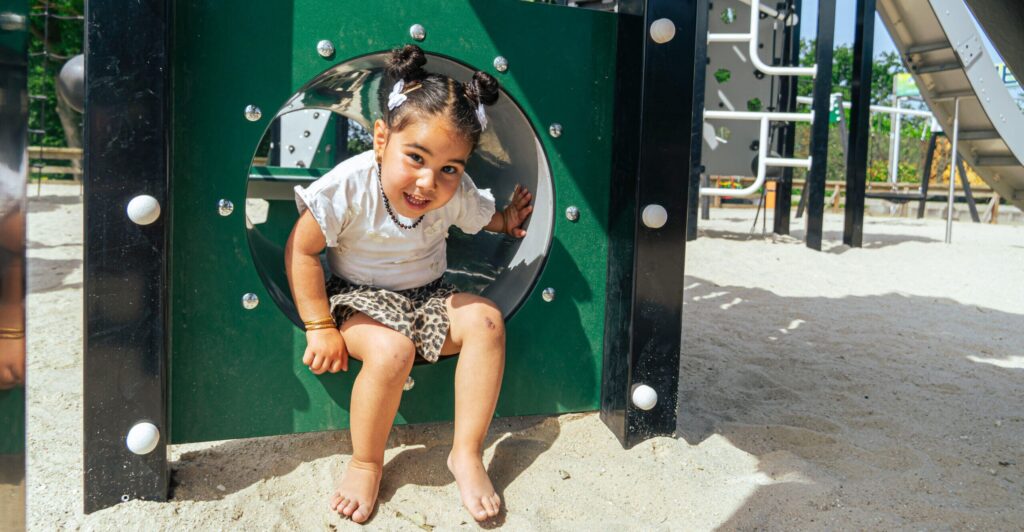
Outdoor play has a direct impact on three fundamental areas of development: motor, social and cognitive. From a motor perspective, children improve their coordination, balance and strength through natural movements such as climbing, running and jumping. Socially, they learn to cooperate, communicate and resolve conflicts, which strengthens their social resilience. Cognitively, outdoor play stimulates problem-solving skills, creative thinking and concentration. A child who builds a den, for example, is unconsciously practising planning, estimating and working together—skills that form a strong foundation for later learning performance.
What schools can start changing tomorrow
Schools play an important role in encouraging outdoor play. Even small adjustments can make a big difference. Think of creating more challenging outdoor spaces or integrating outdoor play into the curriculum, such as nature-based learning or active learning programmes like 321Start!. Teachers can also schedule regular moments for outdoor learning, for example by setting maths activities on the playground or language lessons in the garden. By treating outdoor play as a fully fledged part of education, a healthy balance emerges between cognitive development and physical and mental growth.
Outdoor play is essential for a child’s development
When we look at all these aspects, we can only conclude that outdoor play is extremely important for a growing child. In addition to the well-known health benefits, outdoor play plays a crucial role in children’s overall development. During childhood, children go through various developmental domains that form the foundation for their growth and development. How play influences these areas is explained in more detail on the page about children’s developmental domains.

